When replacing windows, one of the first choices is whether to install double or triple glazing. The right option depends on the property, the rooms being upgraded and what the glazing needs to achieve.
Double glazing uses two panes of glass with one insulating gap. Triple glazing adds a third pane and a second gap, helping to retain more heat and, in some cases, reduce more outside noise. However, it is typically more expensive, heavier and not always necessary for every room or property.
This guide compares double and triple glazing across the factors that matter most: thermal performance, cost, noise reduction, condensation, natural light, security and weight. It also explains which rooms are best suited to each option and whether triple-glazed units can be fitted into existing double-glazed frames.
At DOVISTA, we manufacture and fit both double and triple-glazed windows, so the advice below reflects what we specify in practice rather than a case for one option over the other.
What is the key difference between double and triple glazing?
A double-glazed unit has two panes of glass held a fixed distance apart by a spacer bar around the edge. The gap between the panes is filled with Argon gas and sealed.
A triple-glazed unit works in a similar way, but it has three panes of glass and two sealed gas-filled gaps. These gaps are the main reason triple glazing can offer better insulation than double glazing.
The extra pane also makes the unit thicker. A typical double-glazed unit is around 24 to 28mm deep, while triple-glazed units generally measure 36 to 44mm. That difference matters later in this guide, because it is one of the main reasons triple glazing cannot usually be fitted into frames designed for double glazing.
Triple glazing vs double glazing: how they compare
The table below sets out how the two options compare on the factors that affect a home.
|
|
Double glazing |
Triple glazing |
|
Panes and gaps |
2 panes, 1 gap |
3 panes, 2 gaps |
|
Typical unit thickness |
24 to 28mm |
36 to 44mm |
|
Typical U-value |
1.2 to 1.4 W/m²K |
0.8 to 1.0 W/m²K |
|
Typical energy rating |
A+ |
A++ |
|
Weight |
Standard |
Around 30% heavier |
|
Noise reduction |
Depends on glass specification |
Depends on glass specification; not automatically better |
|
Daylight through the glass |
Higher |
Around 20% less |
|
Condensation on the inside |
Possible in cold weather |
Less likely |
|
Cost |
Lower upfront cost |
Typically around 20% more |
|
Window styles available |
All |
Selected styles only |
Which is more energy efficient?
For heat retention, the key figure is the U-value. This measures how much heat passes through one square metre of window: the lower the U-value, the better the window is at keeping heat inside.
Modern double glazing typically achieves a U-value of 1.2 to 1.4 W/m²K. Triple glazing typically achieves 0.8 to 1.0 W/m²K, which means roughly a quarter to a third less heat escapes through the glazing. Window energy ratings tell the same story in a simpler format: comparable windows are commonly A+ rated with double glazing and A++ with triple glazing.
In practice, the difference is felt closest to the window. The inner pane of a triple-glazed unit stays warmer on cold evenings, which reduces the feeling of a cold zone next to the glass and makes it more comfortable to sit near large windows in winter. Whether that improvement justifies the extra cost depends on the room, its orientation and how well insulated the rest of the building is.
How much more does triple glazing cost?
Triple glazing typically costs around 20% more than comparable double glazing, although the premium varies with window size, frame material and glass specification.
To put that in context, the Federation of Master Builders, a whole semi-detached house of eight to ten windows commonly lands between £6,000 and £9,000. On that basis, specifying triple glazing throughout would add roughly £1,200-1,800 to the project.
The running-cost savings from that upgrade are modest. Moving from modern double glazing to triple glazing typically saves in the region of £20 to £50 a year for an average UK home, so the payback period on energy savings alone is long. The stronger arguments for triple glazing are comfort based: warmer glass, fewer cold spots and less internal condensation. By contrast, replacing single glazing with A-rated double glazing saves around £85 a year for a typical home in Great Britain, which is why the biggest gains always come from upgrading the oldest windows first.
Is triple glazing better than double glazing?
In some respects it is, and for the right rooms triple glazing is worth it. In others, double glazing remains the better choice. Triple glazing is not automatically the better option for every home or every room.
Triple glazing performs best where heat retention is the priority. It helps keep the inner pane warmer on cold evenings, reduces the feeling of a cold zone next to the glass and makes internal condensation less likely.
Double glazing is often the better option where daylight, weight, cost or window style flexibility matter more. It is lighter, typically less expensive and available across a wider range of window designs.
Does triple glazing reduce noise?

It can, but usually not as much as people expect, because noise reduction does not improve simply in proportion to the number of panes.
Acoustic performance depends more on pane thickness, spacing and glass specification than on whether a unit is double or triple glazed. If two panes are the same thickness, they can vibrate at similar frequencies, allowing certain sounds to pass through more easily. By using panes of different thicknesses, such as 4mm and 6mm glass, the unit can disrupt sound more effectively.
Triple-glazed units are often made with three equal panes and narrower gaps so they still fit the frame. In those cases, they may perform no better acoustically than a well-specified double-glazed unit, and sometimes worse.
For homes affected by traffic or aircraft noise, acoustic laminated glass in a double-glazed unit is often the better choice than simply adding a third pane. For example, this is what we would typically specify for a bedroom on a main road. In other words, noise reduction is a glass and window specification question rather than a pane-count question, and a purpose-designed acoustic double-glazed unit can outperform a standard triple-glazed one.
Does triple glazing reduce condensation?
On the inside face of the glass, yes. Across the room as a whole, no.
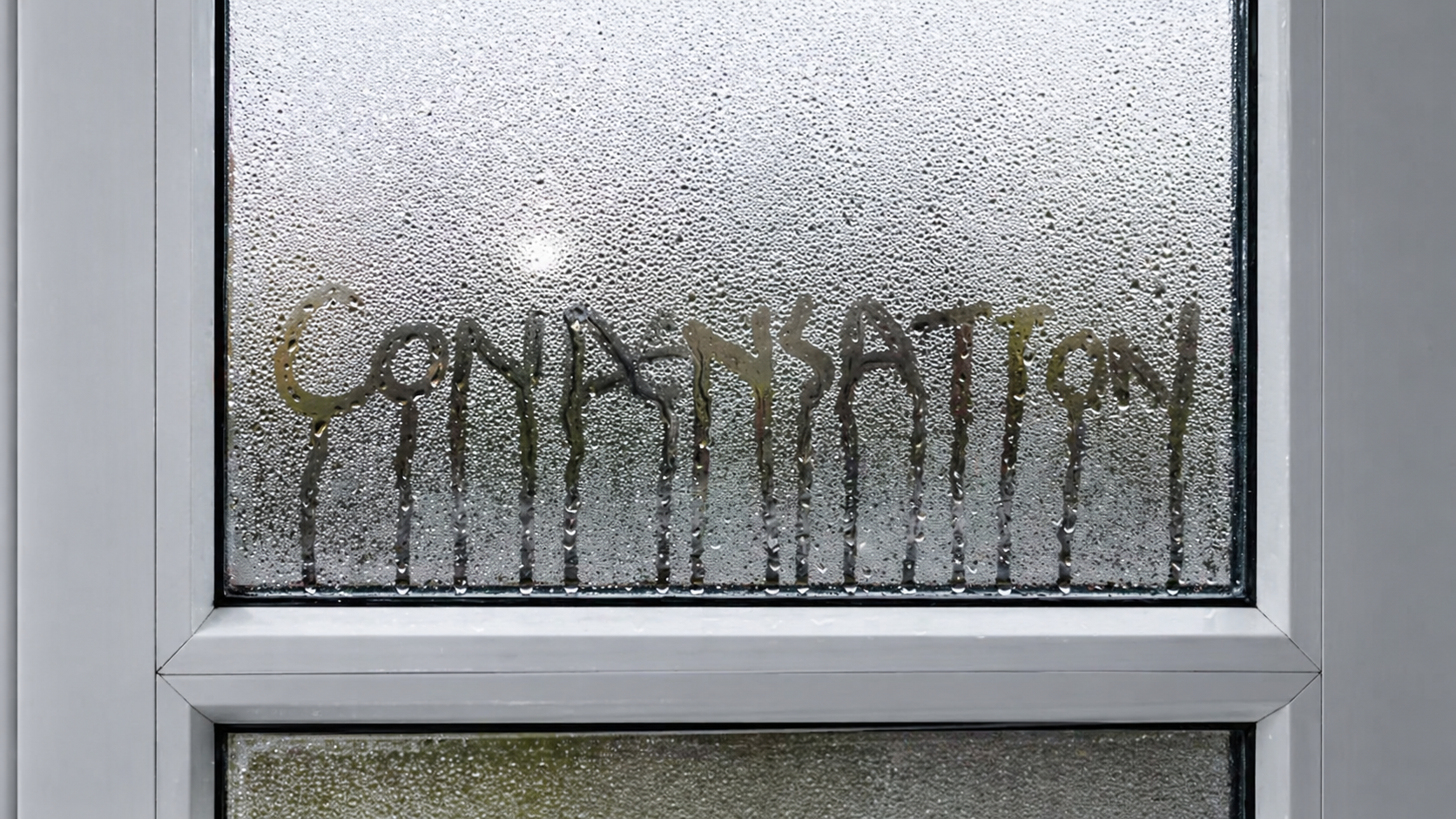
Condensation forms when warm, moist air meets a surface cold enough for that moisture to turn back into water. In winter, the coldest surface in most rooms is usually the window.
Because triple glazing has two insulating gaps rather than one, the inner pane usually stays warmer than it would with double glazing. This makes it less likely to become cold enough for moisture to settle on the glass.
However, triple glazing does not remove moisture from the room. If a home produces more water vapour than its ventilation system can carry away, condensation may still form elsewhere, such as on an outside wall, in a corner behind furniture or on a cold windowsill.
For that reason, ventilation and moisture control are the real long-term fixes. Warmer glass can reduce condensation on the window, but it may only move the problem if the underlying moisture level is not addressed.
What about summer heat?
This is where the choice is often misunderstood. Better insulation works in both directions, so triple glazing can slow heat entering a room as well as heat escaping from it.
Triple glazing also admits slightly less solar heat than double glazing. A typical triple-glazed unit has a g-value of around 0.40, compared with around 0.50 for double glazing, where the g-value is the proportion of the sun’s heat that passes through the glass. The number of panes, however, is not the main factor in keeping a room cool.
For overheating, the key specification is solar control glass, which reflects heat before it reaches the room. It is available in both double and triple-glazed units, so anyone concerned about summer comfort should ask about the glass specification rather than focusing only on the number of panes.
Is triple glazing more secure?
Security is another area where the specification matters more than the number of panes. A third pane adds a modest additional barrier, but the security of a window comes mainly from laminated glass, the frame and multi-point locking hardware, ideally tested to the PAS 24 standard. All of these are available with double and triple glazing alike, so a double-glazed window with laminated glass and quality locking can be more secure than a standard triple-glazed window without them.
The disadvantages of triple glazing
Triple glazing has clear benefits, but there are four main drawbacks to consider before paying the extra cost.
Weight: A triple-glazed unit is around 50% heavier than a comparable double-glazed unit. This can limit the size of an opening unit, place more load on the hinges over the window’s lifetime and restrict which window styles are available with triple glazing. For very large openings, double glazing is usually the better specification for this reason.
Less daylight: Three panes of glass, plus the coatings applied to them, allow around 10% less light through than two panes. In a bright, South-facing living room this is often barely noticeable. In a darker, North-facing room, giving up daylight for extra insulation is a trade-off to be aware of.
Diminishing returns: Moving from single glazing to double glazing can transform a room. Moving from double glazing to triple glazing is usually a smaller improvement. In homes with uninsulated walls, a cold loft or other major sources of heat loss, windows may not be the weakest point, and the money may be better spent elsewhere.
Cost: As set out above, triple glazing typically costs around 20% more than comparable double glazing, and the payback period on energy savings alone can be long. The extra spend is buying comfort and condensation control at least as much as lower bills, and it is worth being clear about that before committing.
Can you put triple glazing in double glazing frames?

In most cases, no. It is something worth establishing before comparing quotes.
The main issue is thickness. Triple-glazed units generally measure 36 to 44mm, while the glazing rebate or channel in a frame designed for double glazing is sized for units of around 24 to 28mm, so there is usually not enough space to accept the thicker unit.
The additional weight can also be a consideration, particularly for opening windows. Hinges, handles and other hardware are designed for a particular load, so fitting a substantially heavier glass unit may not be suitable without checking the frame and hardware specification.
Where the existing frames are not compatible with triple glazing, there are generally two options: replace the complete window, or retain the existing frames and upgrade the double-glazed units, where the frame allows it.
Where each option may be appropriate
There is no single glazing specification that is ideal for every room or elevation. In many homes, a combination of double and triple glazing may be appropriate, depending on the orientation, exposure, size and intended use of each window.
Triple glazing may be particularly suitable for:
- North-facing rooms where solar gains are limited and thermal performance is a priority.
- Exposed elevations that experience greater wind and weather exposure.
- Rooms above garages, passageways or other areas where the floor may be colder.
- New-build and deep-retrofit projects targeting high levels of energy efficiency.
- Maximising daylight and solar gain is an important consideration.
- Large window openings make the additional weight of triple glazing a concern.
- Period properties require slimmer frames or a particular architectural appearance.
- The available budget may deliver greater overall energy savings if prioritised towards measures such as loft, roof or wall insulation.
Modern double glazing may be preferable where:
Both specifications, and the performance they achieve across our window and door range, are set out in our double or triple glazing overview.
Can you combine double and triple glazing?
Yes. Using different glazing specifications within the same property is entirely possible and can be a practical way of balancing thermal performance, daylight, acoustics, aesthetics and cost. The appropriate specification is usually selected for each elevation so that minor variations in colour are not seen outside the property.
Both options can also be viewed side by side at our Milton Keynes showroom, providing an opportunity to compare their appearance and the effect of the different glazing specifications on daylight before making a decision.
Frequently asked questions
Which is better, double glazing or triple glazing?
Neither is universally better. Triple glazing generally provides better thermal insulation and keeps the internal pane warmer, which can reduce the likelihood of condensation. Double glazing is typically lighter, less expensive and can provide higher levels of daylight and solar gain, depending on the glass specification. The most suitable option depends on the property, the room and the priorities.
Is triple glazing quieter than double glazing?
Not necessarily. The number of panes is not the main factor determining acoustic performance. Pane thickness, the use of different glass thicknesses, cavity widths and acoustic laminated glass all have a significant effect, and a purpose-designed acoustic double-glazed unit can outperform a standard triple-glazed unit for noise reduction.
Does triple glazing stop condensation?
Triple glazing can reduce condensation on the inside surface of the glass because the inner pane remains warmer. However, it does not remove moisture from the room, so high indoor humidity and inadequate ventilation can still lead to condensation elsewhere in the property.
How much more expensive is triple glazing?
Typically around 20% more than comparable double glazing, although the premium varies with window size, frame and glass specification. The energy savings from upgrading double to triple glazing are modest unless other building fabric materials like walls and roofs are also improved, so the additional cost is best justified by when considering the renovation of a whole house or when solving a specific high noise issue.
What are the disadvantages of triple glazing?
The main considerations are weight, thickness, cost and daylight. Triple-glazed units are substantially heavier and thicker than comparable double-glazed units, which can affect the choice of frame, opening size and hardware. They transmit slightly less visible light and solar energy, and the additional energy savings become progressively smaller as the overall thermal performance of the window improves.
Can triple glazing be fitted into existing double-glazed frames?
Usually not, although compatibility depends on the particular frame and glazing system. Triple-glazed units are generally thicker and heavier, and the existing frame, glazing rebate and hardware may not be designed to accommodate them. Where the frames are unsuitable, the alternatives are usually to replace the complete window or to fit a higher-performance double-glazed unit where the frame allows it.
Does triple glazing keep heat out in summer?
It can reduce heat transfer through the window, but triple glazing alone is not the most effective way to control summer overheating. Solar control glass, which is designed to reflect the sun’s heat from outside, reduces solar gains significantly and is available for both double and triple-glazed units, and external shading, window orientation and ventilation also have a major influence on summer comfort.
The right option usually becomes clear once both are seen in person. Get a free quote, or visit our Milton Keynes showroom to compare double and triple glazing side by side.