/Firefly_Photorealistic%20lifestyle%20scene%20inside%20a%20modern%20UK%20window%20and%20door%20showroom%2c%20a%20profess%20390717.png?width=1152&height=896&name=Firefly_Photorealistic%20lifestyle%20scene%20inside%20a%20modern%20UK%20window%20and%20door%20showroom%2c%20a%20profess%20390717.png)
/AI%20photos/Firefly_Gemini%20Flash.png?width=877&height=1216&name=Firefly_Gemini%20Flash.png)
/CGI%20uPVC%20Exterior/House%206%20close-up%20low%20res-1.jpg)
Triple glazing is the gold standard for high-performance window design, offering a sophisticated solution for homeowners who prioritize thermal comfort, acoustics, and energy efficiency. However, at DOVISTA, we believe in providing the right solution for your specific project. For many, the central question remains: is triple glazing worth it, and how does it compare to modern, high-spec double glazing?
The answer depends on your property's orientation, your lifestyle, and your long-term goals. While triple glazing offers pinnacle performance in specific scenarios, our high-quality double glazed windows often provide an excellent balance of efficiency and value for standard UK renovations.
/Dovista%20factory%20worker%20-%20SUPER%20LOW.jpeg?width=1094&height=874&name=Dovista%20factory%20worker%20-%20SUPER%20LOW.jpeg)
What is Triple Glazing?
At its core, triple glazing involves three precision-engineered panes of glass held within a single sealed unit. By creating two insulating cavities - typically filled with argon gas - we significantly slow the rate of heat transfer.
At DOVISTA, we enhance this further with low-emissivity (Low-E) coatings on the glass surfaces. These coatings act as a thermal mirror, reflecting internal heat back into your living space during winter. This construction provides:
- Enhanced thermal barriers between your home and the elements.
- Warm-edge technology to minimize cold bridging at the unit's perimeter.
- Stable internal temperatures, regardless of external conditions.
Why U-Values are Important
When comparing windows, you will frequently see the term U-value. Put simply, a U-value measures the rate of heat loss through a building component. It tells you how well a window keeps the warmth in and the cold out.
Understanding the Numbers
U-values are measured in W/m²K (Watts per square metre per Kelvin). In this metric, lower is always better. A window with a lower U-value is a more effective insulator, meaning:
- Reduced Energy Bills: Because less heat escapes, your heating system doesn't have to work as hard to maintain a comfortable temperature.
- Building Regulation Compliance: Current UK regulations (Part L) require replacement windows to have a U-value of 1.4 W/m²K or better. Triple glazing easily exceeds this, often reaching 0.8 W/m²K or lower.
- Surface Comfort: A low U-value correlates directly with the internal surface temperature of the glass. The lower the value, the warmer the glass feels to the touch.
At a Glance: Triple vs. Double Glazing
Both systems rely on the same sealed-unit principle behind how double glazing works; the third pane simply adds a second insulating cavity. Here is how the two compare on the numbers that matter:
|
Feature |
Triple Glazing |
Double Glazing |
|
U-Value (Insulation) |
0.8 to 1.0 W/m²K |
1.2 to 1.4 W/m²K |
|
Internal Surface Temp |
~18°C (at 0°C outside) |
~16°C (at 0°C outside) |
|
L-Value (Air Leakage) |
0 (Airtight) |
0 (Airtight) |
|
Security Rating |
High (3 layers of glass) |
Standard |
|
Acoustic Rating |
Up to 40dB+ |
32–35dB |
The Pros of Triple Glazing: Our Technical Insight
1. Superior Thermal Performance (Winter and Summer)
While high-spec double glazing is very efficient, our triple-glazed units offer up to 40% better insulation. We achieve U-values below as 1.0 W/m²K, a critical benchmark for achieving energy-efficient, low-carbon homes.
Crucially, this works both ways: in the summer, the extra pane and coatings help keep unwanted heat out, reducing the "greenhouse effect" in highly glazed rooms during UK heatwaves.
2. Eliminating the "Cold Zone"
The most significant benefit of triple glazing is the increase in internal glass temperature. When it is 0°C outside, the inner pane of a DOVISTA triple-glazed unit stays at approximately 18°C, compared to 16°C for double glazing. This 2-degree difference helps to eliminate "phantom draughts" - the sinking cold air that makes sitting near a window uncomfortable.
3. Precision Sound Insulation
We can design triple-glazed units to act as a formidable barrier against external noise. To achieve maximum decibel reduction, we recommend using glass with different thicknesses or laminated glazing. This disrupts a wider range of sound frequencies, ensuring a quieter home near busy roads or flight paths.
4. Enhanced Home Security
Three panes of toughened or laminated glass are significantly more difficult and time-consuming to breach than two. For ground-floor windows or secluded properties, this provides an extra layer of physical protection and peace of mind.
Climate Change and Improving the UK Housing Stock
Decarbonising the UK’s housing stock is one of the most significant challenges in reaching legally binding net-zero targets by 2050. Currently, residential homes contribute approximately 22% of the UK’s total carbon emissions, largely due to inefficient heating and poor insulation.
The Role of High-Performance Glazing
As the government moves toward the Future Homes Standard, the emphasis on energy-efficient buildings is intensifying. Triple glazing is no longer just a "luxury" option; it is a vital tool for:
- Lowering Carbon Footprints: By reducing the heat lost through windows, homeowners can significantly decrease their reliance on fossil-fuel-based heating.
- Improving EPC Ratings: Modern buyers prioritize energy-efficient homes. Upgrading to triple glazing can help move a property toward an EPC rating of C or higher, which is increasingly becoming the benchmark for property value and mortgage eligibility.
- Sustainable Living: At DOVISTA, we view the adoption of triple glazing as a proactive step toward a sustainable future, helping to upgrade the UK’s older housing stock to meet modern environmental demands.
Practical Considerations for the Homeowner
1. Structural Requirements & Weight
Triple-glazed units are roughly 50% heavier than double-glazed equivalents. Before installation, it is vital to ensure your property's structure can support the additional load. At DOVISTA, our frames are specifically engineered with heavy-duty hardware to manage this weight without compromising the window's operation over time.
2. The Cost-Benefit Analysis
In the UK, triple glazing typically costs 15% to 20% more than standard double glazing. While the energy savings are substantial, the primary "return on investment" is found in immediate living comfort and long-term energy security.
The Verdict: Which Should You Choose?
We recommend triple glazing for:
- Low-energy or Passive House builds where thermal performance is paramount.
- North-facing or exposed elevations that never benefit from direct sunlight.
- High-noise environments such as busy urban areas.
- Homeowners staying 10+ years who want to maximize long-term energy equity.
We recommend high-spec double glazing for:
- Sheltered, south-facing rooms where you want to maximize solar heat gain in winter.
- Budget-conscious renovations where weight or structural constraints are a concern.
Every home is different, and plenty of projects combine double or triple glazing across different elevations of the same property, pairing triple-glazed units on exposed north-facing rooms with double glazing elsewhere.
Frequently Asked Questions
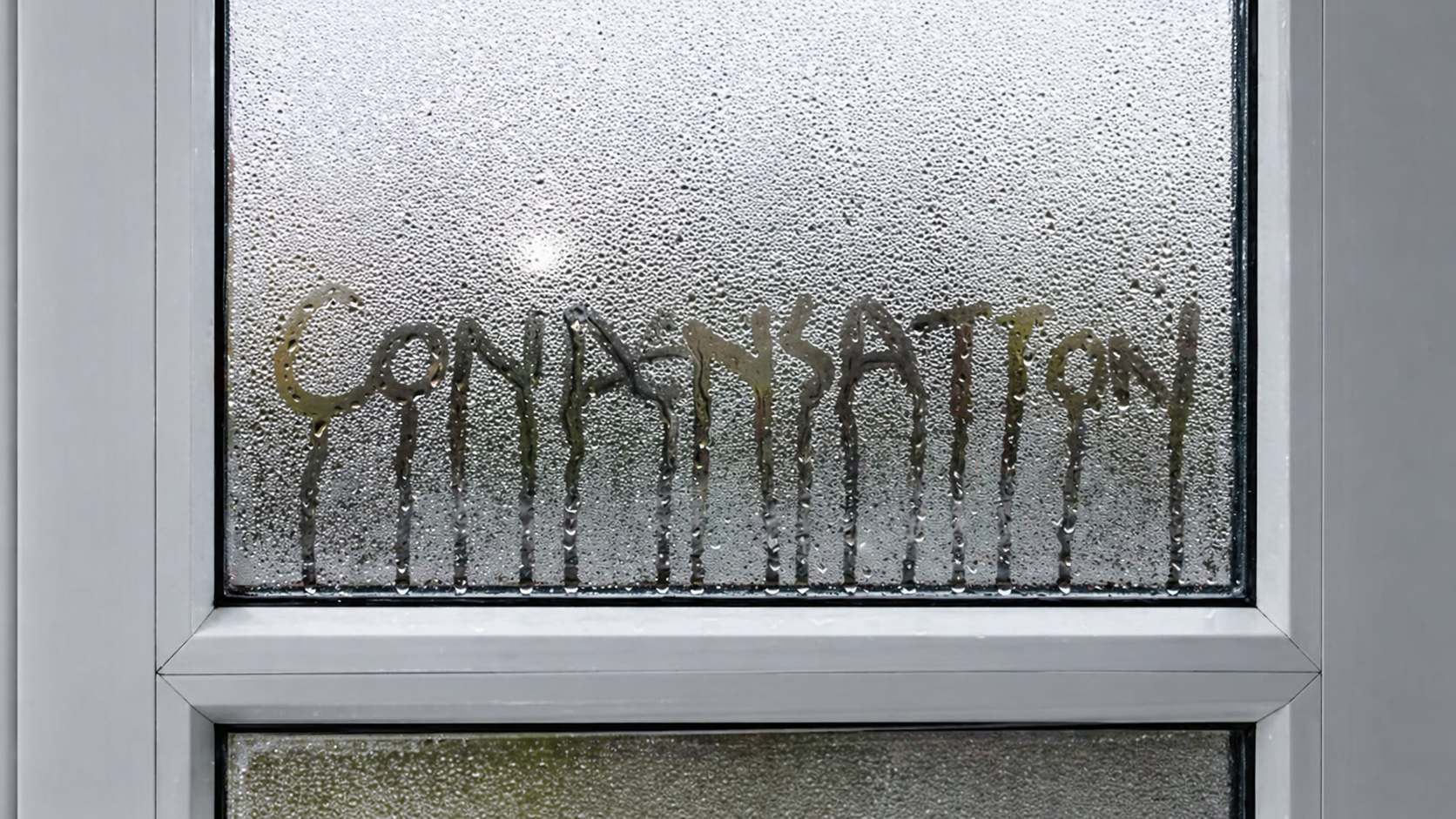
Does triple glazing stop condensation? Triple glazing significantly reduces condensation on the internal pane because the glass surface stays warmer. However, it does not eliminate it entirely if indoor humidity is excessive, so good ventilation and the everyday habits that prevent condensation on windows still matter. You may also notice external condensation on cold mornings; this is a hallmark of high efficiency.
Can triple glazing be fitted into existing uPVC frames? In almost all cases, no. Triple-glazed units require frames and hinges specifically designed to support the additional weight (up to 50% heavier) and depth (36mm-48mm). A full window replacement is required rather than a simple glass upgrade.
Is triple glazing darker than double glazing? While adding a third pane technically reduces light transmission, the difference in modern specifications is minimal (usually around 10%). For most homeowners, this change is imperceptible to the naked eye.
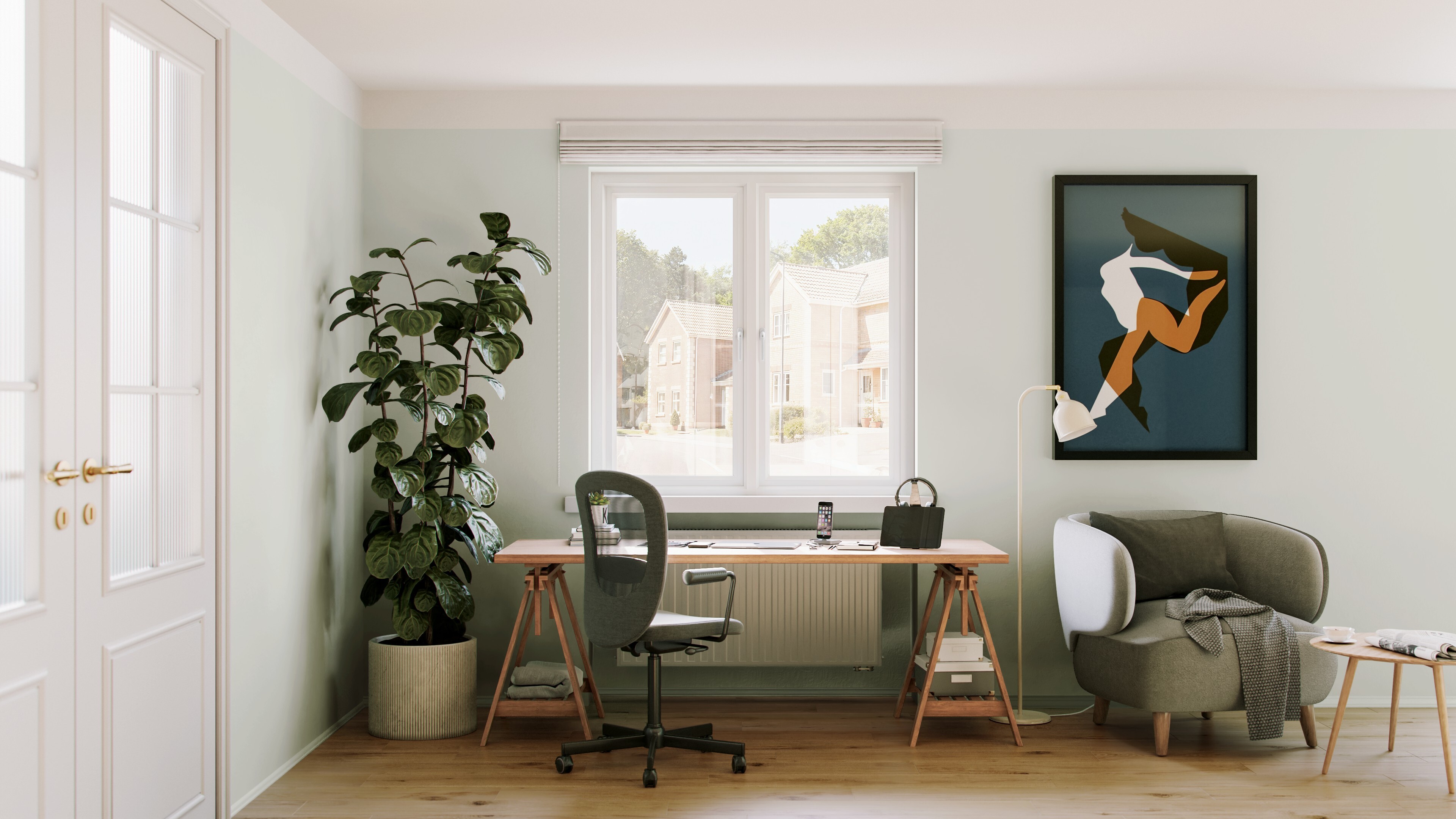
Which rooms benefit most from triple glazing? Rooms that are cold, north-facing, or highly exposed to wind benefit most. We prioritize bedrooms, home offices, and living spaces where comfort is paramount and occupants are stationary for long periods.
Is triple glazing harder to repair or replace? Because the units are heavier and more complex, replacements require professional handling and more physical labour. However, with DOVISTA’s precision manufacturing and proper installation, the long-term maintenance requirements are very similar to high-quality double glazing.
How does it impact the environment? Triple glazing is a key component in decarbonizing the UK's housing stock. By reducing the energy required for heating, you significantly lower your home's carbon footprint, contributing to the UK’s 2050 net-zero targets.
Which material is best for triple glazing? For the vast majority of UK homeowners, high-quality uPVC is the most effective material for triple glazing. While other materials exist, modern uPVC provides the best balance of multi-chambered thermal insulation, durability, and cost-effectiveness.
At DOVISTA, our uPVC frames are specifically engineered to handle the additional depth and weight of triple-glazed units, ensuring they remain warp-resistant and secure for decades. uPVC also requires virtually no maintenance compared to timber, making it the practical choice for a high-performance, future-proofed home.
Still undecided? The right answer usually becomes obvious once you see both options in person. Get a free quote for your project, or visit our Milton Keynes showroom to compare double and triple glazed windows side by side.
/double%20glazing%20designed%20for%20everyday%20comfort.jpg)