/Firefly_Photorealistic%20lifestyle%20scene%20inside%20a%20modern%20UK%20window%20and%20door%20showroom%2c%20a%20profess%20390717.png?width=1152&height=896&name=Firefly_Photorealistic%20lifestyle%20scene%20inside%20a%20modern%20UK%20window%20and%20door%20showroom%2c%20a%20profess%20390717.png)
/AI%20photos/Firefly_Gemini%20Flash.png?width=877&height=1216&name=Firefly_Gemini%20Flash.png)
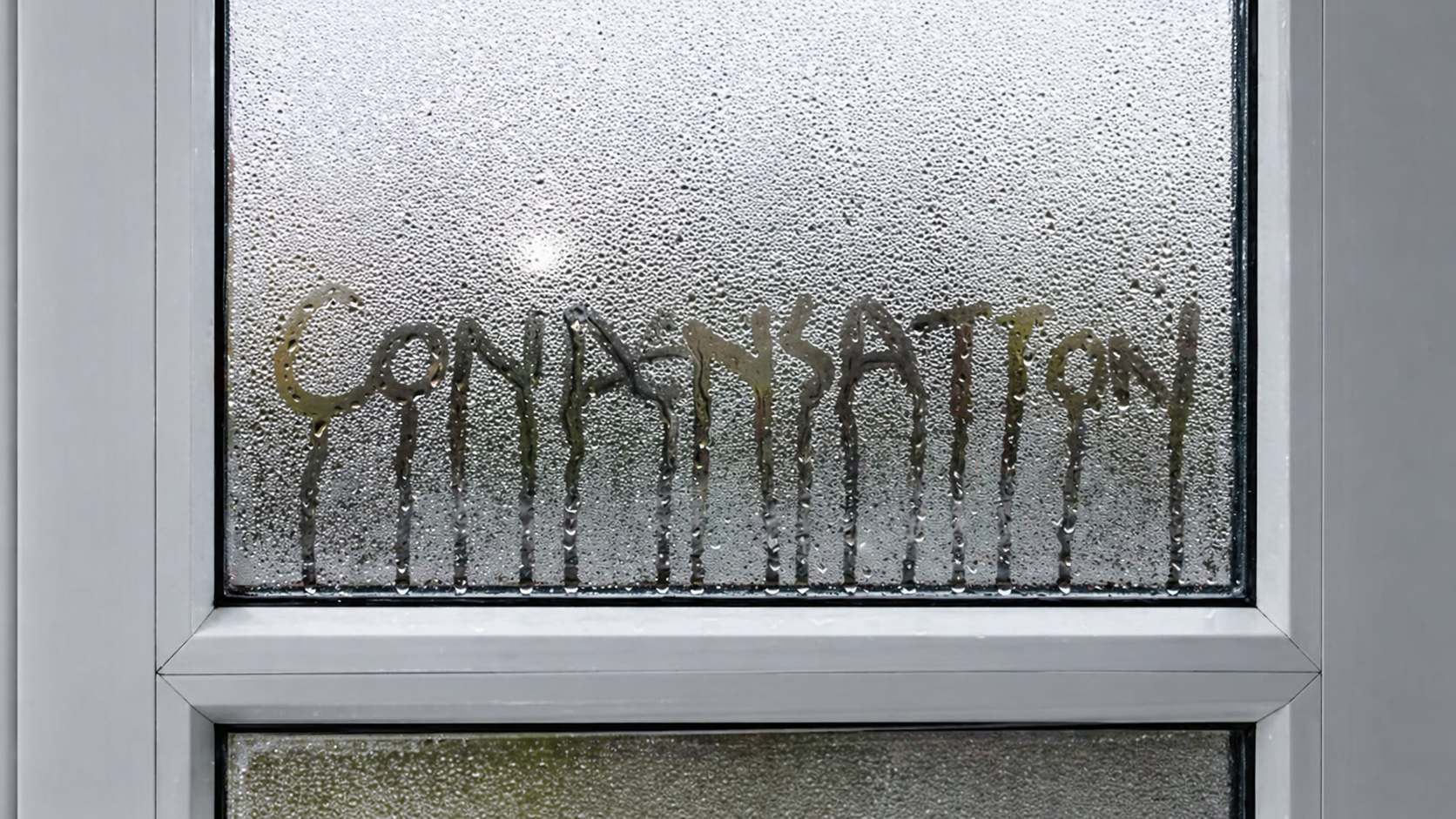
As water vapour collects on your windows and small pools form on your sills, every morning you ask yourself the same question: “How do you prevent condensation on windows?”
Well, you’re not alone. Preventing condensation on windows can seem like a full-time job, especially in winter. You wipe them, and it reappears. You use a squeegee and a small puddle forms at the window sill. You try towels, but they are then all damp, your paintwork is blackening with mould, and you’re worried about your seals. It can feel like relentless and monotonous task.
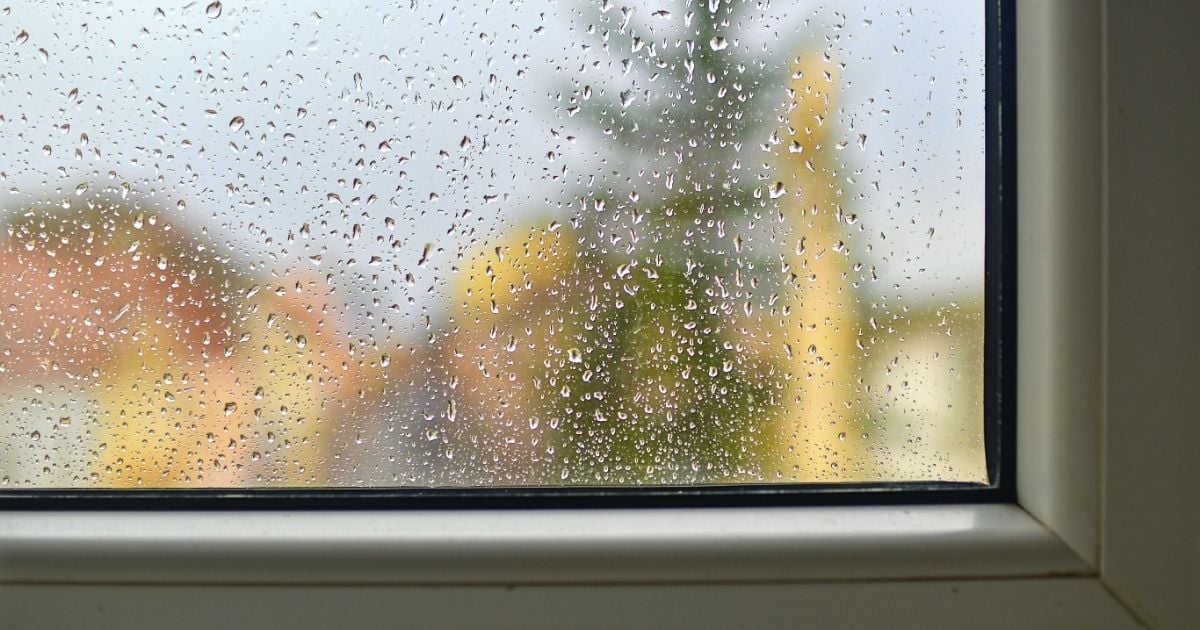
Is Condensation Normal on uPVC Windows?
Condensation on your uPVC windows is one of the most common annoyances for homeowners during the winter months, and it might make you wonder, Is there something wrong with my windows? The short answer is no.
It’s just your home doing a very normal thing: holding moisture in the air and then dropping it onto the coldest surface in your home. which is often the glass.
What Causes Condensation on Windows?
Here’s a quick checklist of the most common, everyday sources of moisture. But it’s going to be pretty hard to stop doing some of them (especially number 4!)
- Cooking (especially boiling, simmering pans and kettles)
- Showers and baths
- Drying clothes indoors
- Breathing while you sleep (yes, really)
- Poor airflow in colder months (due to keeping our windows closed)
So, if you’re wondering how to avoid moisture on your windows, the answer is nearly always the same: reduce moisture in the air and improve airflow.
For short-term fixes to prevent condensation on windows, try these:
-
Ventilate daily by using fans and opening windows (short bursts work)
- Use extractor fans every time you cook or shower
- Keep lids on pans, especially when boiling water
- Open windows slightly when drying clothes indoors and on radiators
- Maintain steady warmth rather than big temperature swings
- Use trickle vents on your windows if you have them
- Wipe down moisture to protect frames and sills
- Consider a dehumidifier if it’s persistent
- If condensation is between panes, get the glazing checked
Why Should I Take Window Condensation Seriously
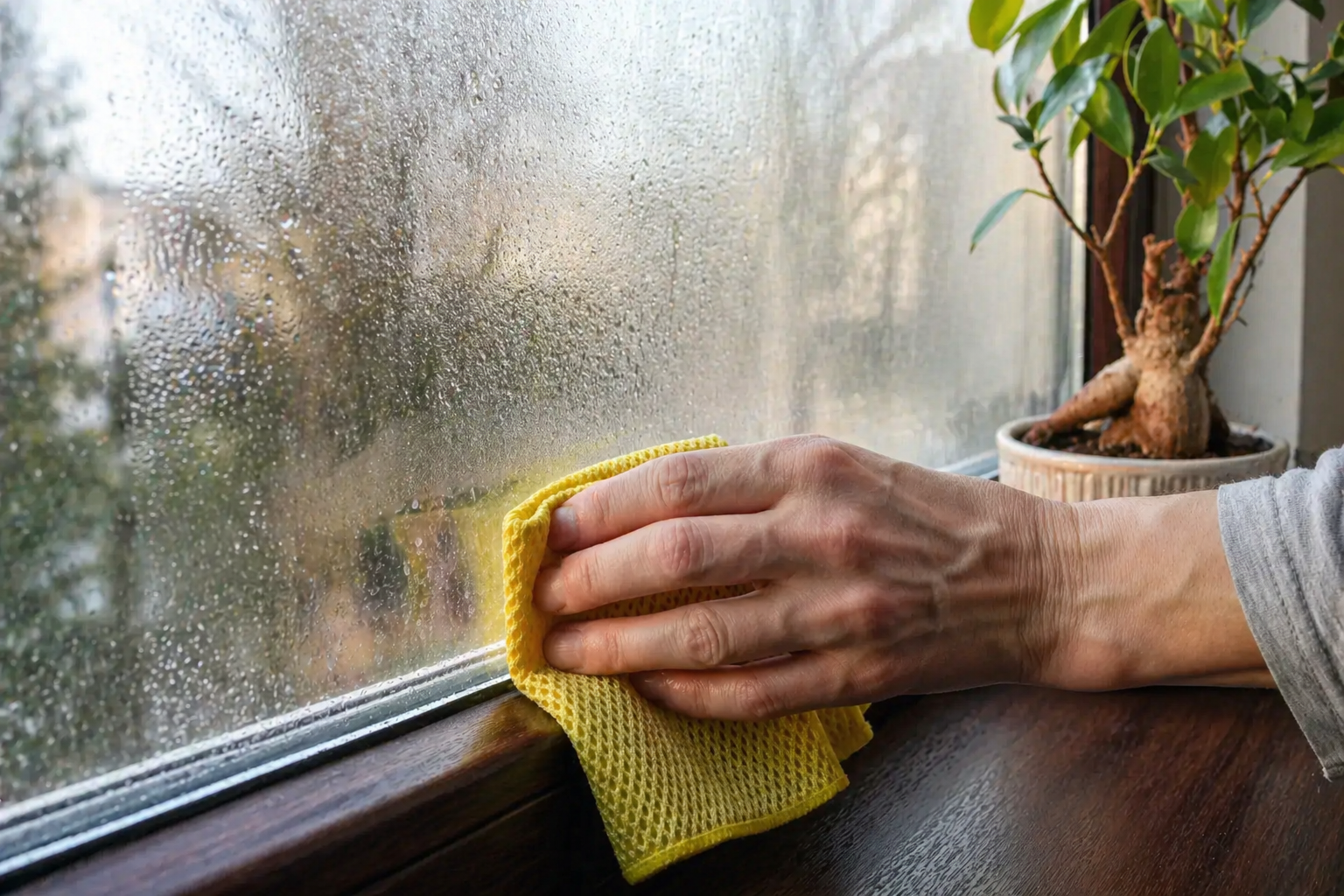
Occasional misting is normal and these short-term fixes will help. But if you regularly get wet sills, dripping glass, or damp patches around the window, it’s a good idea to make longer-term improvements, because persistent moisture can lead to mould and damage over time.
The UK Government highlights that damp and mould can affect health, noting:
“Even if visible mould is not present, dampness alone can increase the risk of health problems."
Long-term Improvements to Prevent Condensation on Windows
Thankfully, there are several practical steps you can take to prevent condensation from forming on your windows and causing long-term problems in your home and your health.
1. Improve ventilation in a more permanent way
If you do not have working extractor fans, upgrading them is one of the best returns on effort.
For homes with airflow issues, the UK has specific ventilation guidance for existing homes, designed to reduce condensation and improve indoor air quality.
Depending on your home, options might include:
- better extractor fans, especially in all bathrooms and kitchens to remove excess steam
- continuous running of low-energy fans
- positive input ventilation systems in some properties
- whole house systems in well-sealed homes
You do not need to know the perfect system right now. The point is: if moisture cannot escape, it will settle on a cold surface and remain there.
2. Improve insulation and reduce cold surfaces
Condensation loves a cold spot in your home: Corners, window sills, poorly insulated external walls, and older glazing get colder, faster.
You may have heard of cold bridging. This is a weak spot in a building's insulation where heat escapes more easily, creating a ‘bridge’ for cold to enter from outside, leading to higher energy bills, localised cold areas, and increased risk of condensation and mould.
You can begin to address this problem by:
-
ensuring you have sufficient loft insulation
-
cavity wall insulation where suitable
-
and ensuring cold spots around windows are reduced.
Think about thermal curtains, and ensure your windows are properly sealed, especially if they are older or listed.
If your windows are older or listed, options for longer-term solutions may include
Secondary glazing: Install a second, internal pane of glass or acrylic to improve insulation significantly.
Replace your windows: Upgrade to modern double glazed windows, or go a step further with triple glazing if your home suits it.
Address cold bridging: If the wall around the window is cold, use insulated plasterboard on the reveals.
Check external window seals: The external weather seal protects the window perimeter from moisture and cold air, so check that these have not degraded.
Draught-proof properly (without sealing your house shut completely)
Draughts are uncontrolled airflow that can make rooms colder, increasing the risk of cold spots and damp. Controlled ventilation is what you’re aiming for.
The Energy Saving Trust discusses draught-proofing alongside the need for controlled ventilation, rather than simply blocking every gap and hoping for the best.
The best way to do this is to seal obvious, uncontrolled air gaps, but keep monitoring your planned ventilation routes and adjust as needed until condensation is minimised and your home is warm and dry.
3. Upgrade Windows with careful consideration.
Newer windows can be more airtight, which is great for warmth, but it can increase condensation if ventilation is not improved at the same time.
Good-quality, modern windows should have sufficient trickle vents to ensure adequate airflow in the room. Ensure they are designed to work with modern, airtight building techniques to ensure proper air quality.
If you're thinking of replacing windows, think 'airtight plus ventilation', not just 'airtight'. From free survey through to fitting, our team plans ventilation in from the start; you can see how it works before committing to anything.
Double-Glazing Helps Prevent Condensation

Modern double-glazing works by keeping the inner pane significantly warmer, resulting in a warmer surface temperature. When the inner glass stays warm, moisture in the air is far less likely to settle and form droplets. This not only reduces everyday condensation but also helps prevent the long-term issues it can lead to, such as damp patches, mould growth, and damaged window frames.
A well-insulated double-glazed unit also creates a more stable indoor climate by reducing cold spots near the window. Combined with features like warm-edge spacers and optional trickle vents for controlled airflow, modern glazing supports a healthier, more balanced environment throughout your home.
Your Daily Checklist to Prevent Condensation on Your Windows:
Essentially, you want to do everything you can to reduce moisture in your home, keep it warm and dry, and ensure good airflow and adequate ventilation in every room.
-
Limit drying clothes indoors or over radiators
- Make sure every time you shower or cook, your extractor fans are on
It’s important to ensure they are strong enough to draw air. Weak ones will have no effect.
-
Do you keep trickle vents shut because it feels draughty?
Then they can’t do their job: maintaining constant airflow and reducing condensation. Grab a sweater and keep them open.
- Don’t heat rooms unevenly, with some rooms always cold
Set your heating thermostat to a constant 18-20 °C. This will help keep your home warm and reduce moisture. It will also help with your energy bills!
-
At night, keep your bedroom doors open and leave a window open for a short while.
Airflow around your home is essential for good health, not just preventing moisture. Even opening the window slightly will bring fresh air into your home and reduce mist and condensation on your windows and sills each morning. Think short, efficient ventilation bursts rather than leaving windows open for hours.
Combining short-term and long-term changes helps your home and your health.
Making small, incremental changes to your household routines, especially during the winter months when condensation is at its worst, will help reduce moisture in your home.
Final Thoughts
In the long-term, good maintenance, regular checks and updating your home with modern conveniences will go a long way to ensure your home never becomes damp, will help to prevent mould from appearing, seals eroding, and your windows and doors working efficiently.
Combining short- and long-term strategies will help you keep your home warmer and drier, keep your family healthier, and reduce energy waste. And if persistent misting tells you a window is past its best, you can visit our Milton Keynes showroom to see modern, condensation-resistant glazing up close or a request a free no-obligation quote to get your projected started.
/CGI%20uPVC%20Exterior/House%206%20close-up%20low%20res-1.jpg)