/Firefly_Photorealistic%20lifestyle%20scene%20inside%20a%20modern%20UK%20window%20and%20door%20showroom%2c%20a%20profess%20390717.png?width=1152&height=896&name=Firefly_Photorealistic%20lifestyle%20scene%20inside%20a%20modern%20UK%20window%20and%20door%20showroom%2c%20a%20profess%20390717.png)
/AI%20photos/Firefly_Gemini%20Flash.png?width=877&height=1216&name=Firefly_Gemini%20Flash.png)
/CGI%20-%20uPVC%20Doors/iStock-1386193809%20(1).jpg)
Modern uPVC doors are designed to be durable, weather-resistant, and highly secure. But the strength of the door alone isn’t enough. Real uPVC door security comes from a complete system: high-quality locks, reinforced frames, durable hardware, and proper installation, all of which meet UK certification standards. The result is a well-designed, well-fitted uPVC door that protects your home and gives you peace of mind.
In this guide, we’ll explain exactly what makes a uPVC door secure. You’ll know what to look for when buying a new door and what upgrades to consider when researching different products, which should keep you and your family safe and secure.
Why uPVC Door Security Matters
A uPVC door isn’t just a barrier. It’s the first line of defence for your home. Modern designs combine durability, aesthetics, and advanced security features to make forced entry far more difficult. But even the best-looking door is only as strong as the correct combination of locks, cylinder, hinges, and installation. A poorly installed door or a low-spec lock can compromise security, no matter how solid it looks.
Think of your uPVC door like a well-built safe: the steel door matters, but the lock, combination mechanism, and fit are just as important.
That is the difference between it looking secure and it being secure.
What to Look for in a Secure uPVC Door
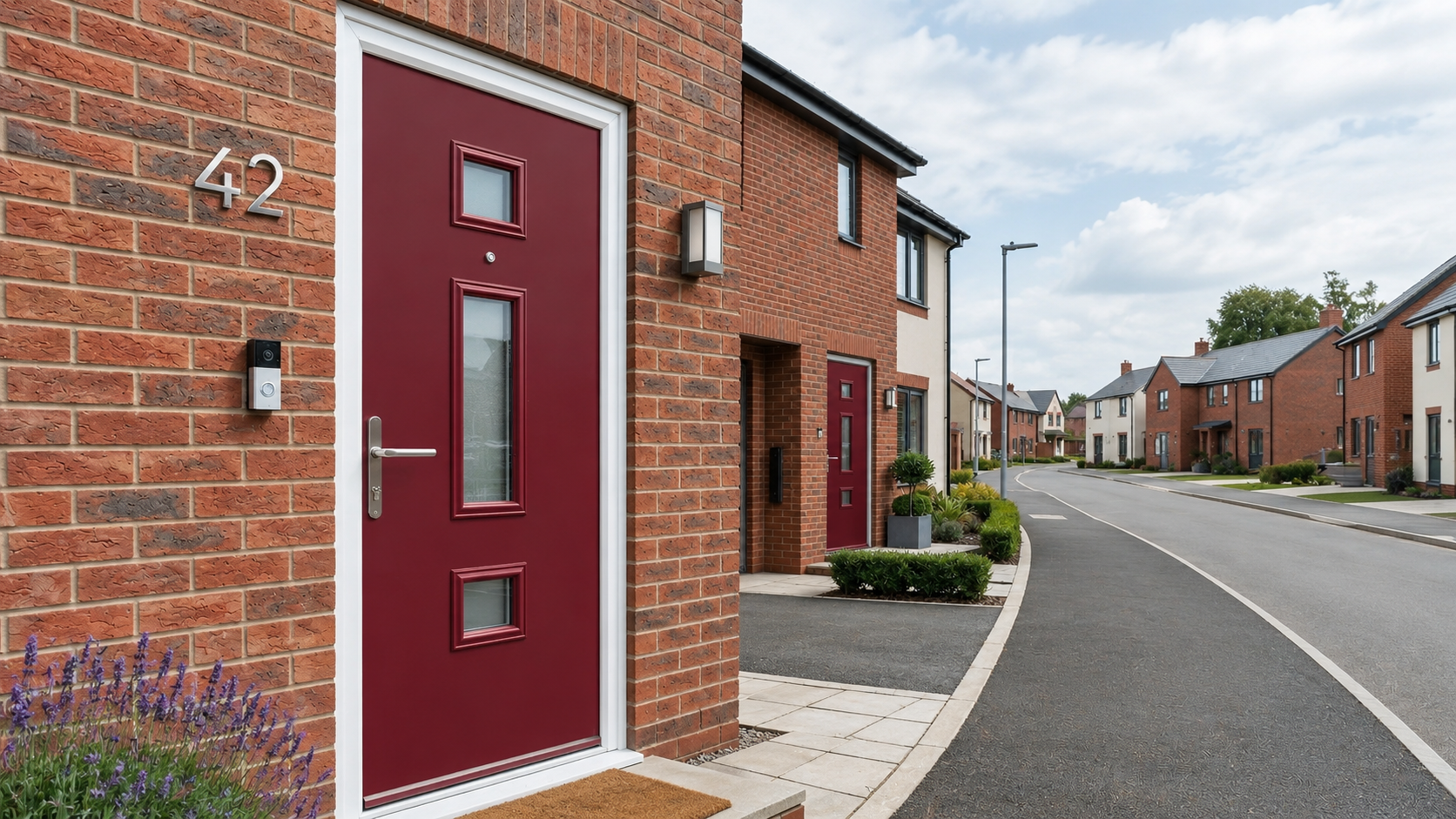
A secure uPVC door isn’t just about looking strong. It’s about performing under pressure to withstand excess force and manipulation.
At the very minimum, make sure your uPVC door is
- PAS 24 certified to British Standards Institute (BSI)
- Fitted with a strong cylinder that resists lock snapping
- Installed correctly so locks and hinges work as intended
How are Modern uPVC Doors Designed to Protect Homes?
Modern doors in the UK are designed with multiple layers of protection, not just a solid-looking slab. They combine materials, engineering, and tested components to create doors that resist forced entry and improve overall home security.
Parts are designed and made to UK standards, and they undergo rigorous testing, so look for assurances that your door meets the correct standards.
We’ve put together a 7-point checklist that ensures uPVC door security.
1. A locking system that does more than ‘click shut’
Most modern uPVC doors use a multi-point locking system. That means the door locks at several points along the frame, not just one.
This means that force is spread across a wider surface area: if someone tries to push, pry, or force the door, they are not fighting one lock. They are pushing against multiple locking points.
What to look for
- Multi-point locking (often hooks, bolts, or rollers along the edge of the door)
- A smooth, solid feel when you lift the handle and lock
- No ‘wobble’ in the handle or movement in the lock area
Top homeowner tip:
If you have a multi-point lock, make sure you actually engage it. Some doors only fully lock when you lift the handle and turn the key. If you simply pull it closed, you may be using only the latch.
2. A strong cylinder that resists lock snapping
This is important because many uPVC doors use euro cylinder locks, which criminals can open.
As West Yorkshire Police put it: “Cylinder locks are present on the majority of uPVC doors and we are aware that some offenders have developed a way of overcoming them.”
This doesn’t mean your door is unsafe; it just means the cylinder is worth checking.
Check your lock for
- A cylinder described as anti-snap, anti-drill or anti-bump
- A recognised rating such as TS 007
- A cylinder that sits flush, not sticking out past the handle (because protruding cylinders are easier to attack)
West Yorkshire Police also state that a 3-star solution is the minimum they recommend when upgrading cylinders.
If you do one security upgrade on a uPVC door, this is usually the best place to start.
3. PAS 24 testing on the door set
If you are buying a new uPVC door, ensure it's been tested to PAS 24 standards.
PAS 24 is a UK security performance specification for door sets and windows. The official title spells it out clearly: ‘Enhanced security performance requirements for door sets and windows in the UK.’
What to look for
- The door or door set is tested or certified to PAS 24 (ideally the current edition)
- Paperwork or a certificate from the manufacturer or installer
- Clear product details stating the door set meets PAS 24, not just labelled ‘high security’
Why does it matter?
It’s been tested against UK standards to meet defined security performance requirements, not just marketed as ‘strong’ by the manufacturer.
4. Inside the uPVC frame and door have been reinforced
uPVC is durable, but its strength often comes from the materials inside, so it’s a good idea to check the door's weight before purchase. It should feel heavy, not hollow.
Most quality uPVC doors have reinforcement (often steel or aluminium) within the frame or sash to add rigidity and strength.
Look for
- A door that feels solid and weighty, not hollow
- A reinforced frame and sash (your supplier or installer should be able to confirm)
- No flexing when you pull the handle or push the door
If a door flexes, the locks can’t do their job properly. The locks might be great, but the ‘foundation’ is moving underneath them, so it’s unlikely to hold fast if forced.
5. Secure hinges and hinge side protection
Most break-ins focus on the lock side, but hinge security still matters, especially on older doors or doors with visible hinges.
Look for
- Strong, well-fitted hinges with no loose screws
- Hinge bolts or hinge side protection (so the door cannot be lifted if the hinges are under pressure)
- No visible gaps you could slide a tool into (even the very thin ones)
A good installer will make sure the hinge side is as secure as the lock side. Both are important for creating balance and resistance under pressure.
6. High-quality handles and hardware that support the lock
On many uPVC doors, handles will protect the cylinder and support the lock system. It’s important to ensure your door has handles. Don’t be drawn in by style over substance if you want security.
If the handle is flimsy, loose, or poorly fitted, it can undermine even a decent cylinder.
Look for
- A sturdy handle with minimal movement
- Hardware that properly covers and protects the cylinder
- No rattling, spinning, or misalignment
7. Correct installation and alignment are very important.
None of the above will matter if your door is not installed correctly. It’s at this point where security is often compromised.
Even the best lock will struggle if
- The door is not aligned with the frame
- The keeps (the parts the bolts engage into) are not positioned correctly
- The door drops over time, and the locking points don’t engage fully
A secure uPVC door should close easily and lock smoothly without forcing it. If you have to lift the door to lock it or slam it to shut properly, something isn’t right.
It’s the very reason quality installation matters just as much as quality components.
Maintaining Your uPVC Door Security
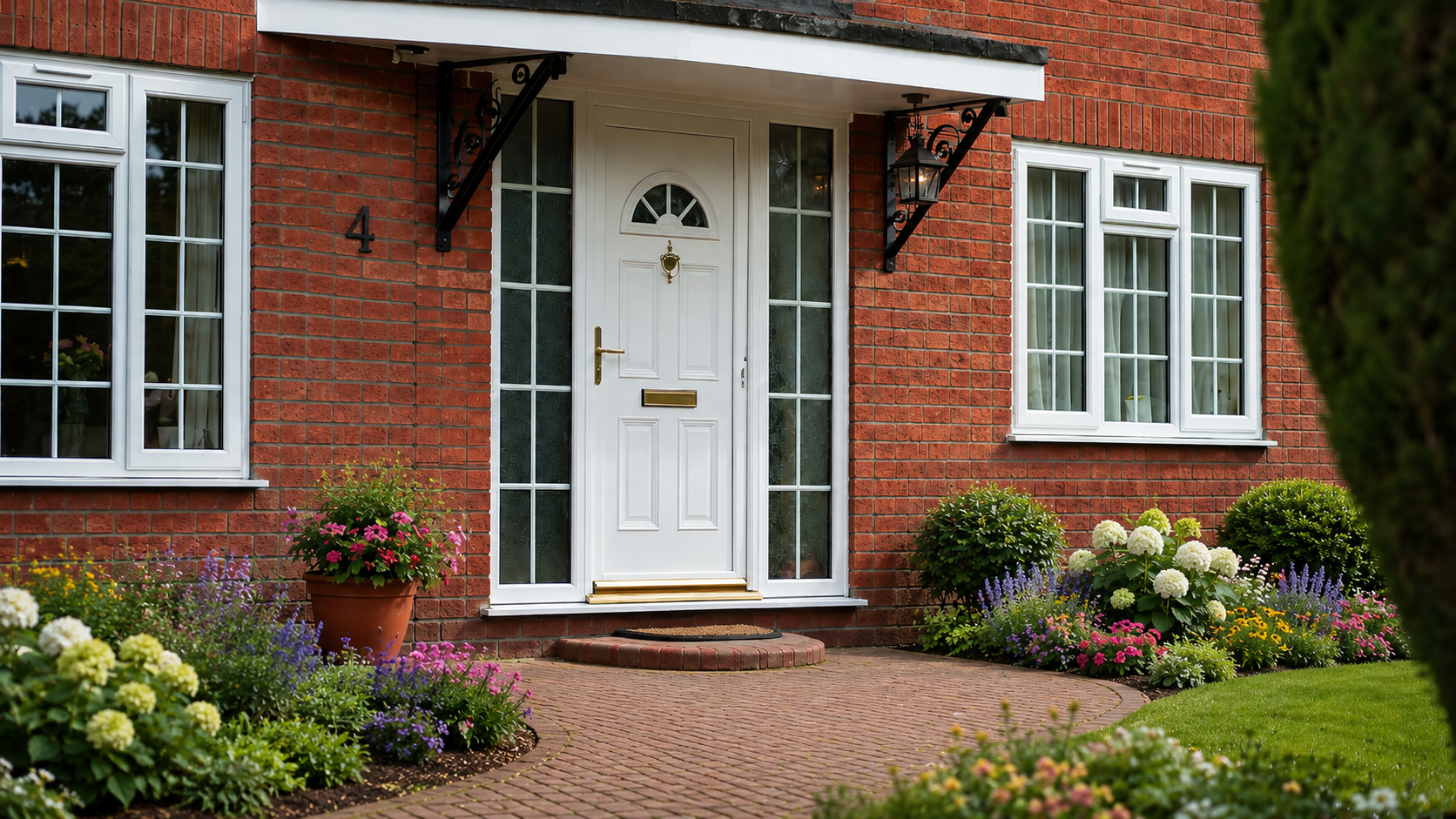
If you're looking to buy a new or replacement door, whether that's a front door or a set of patio doors, ask the supplier or manufacturer:
- Does the door shut firmly with no bounce or rattle?
- When locked, does it feel solid with no movement?
- Is the cylinder flush with the handle rather than sticking out?
- Are the hinges tight and secure?
- Does the lock turn smoothly without forcing the handle?
If you’re looking to buy new or replacement doors, ask the supplier or manufacturer
- Is the door set PAS 24 certified?
- What cylinder standard does it use, and is it a 3-star solution or higher?
- Does the installation include alignment checks, not just fitting?
Ensuring Your uPVC Doors Are Completely Secure
A uPVC door is secure when it’s a complete system: a solid door, a reinforced frame, multi-point locks, a high-quality cylinder, sturdy hinges and handles, and professional installation. You want the supplier or manufacturer to complete the installation to ensure all components are correctly fitted and the door is fully secure.
For homeowners, the takeaway is simple: look for doors that meet recognised UK security standards, ensure locks and cylinders are high-spec, and ensure the installation is done correctly.
Small details, such as tight hinges, flush cylinders, and sturdy handles, may seem minor but make a significant difference to overall protection.
Investing in a well-designed, high-quality uPVC door is an investment in safety, durability, and confidence. With the right combination of design, components, and care, your door will do more than look good: it will become lasting protection for your home and your family. You can get a free quote online, or visit our Milton Keynes showroom to test the locks, handles and hardware for yourself.